The Project:
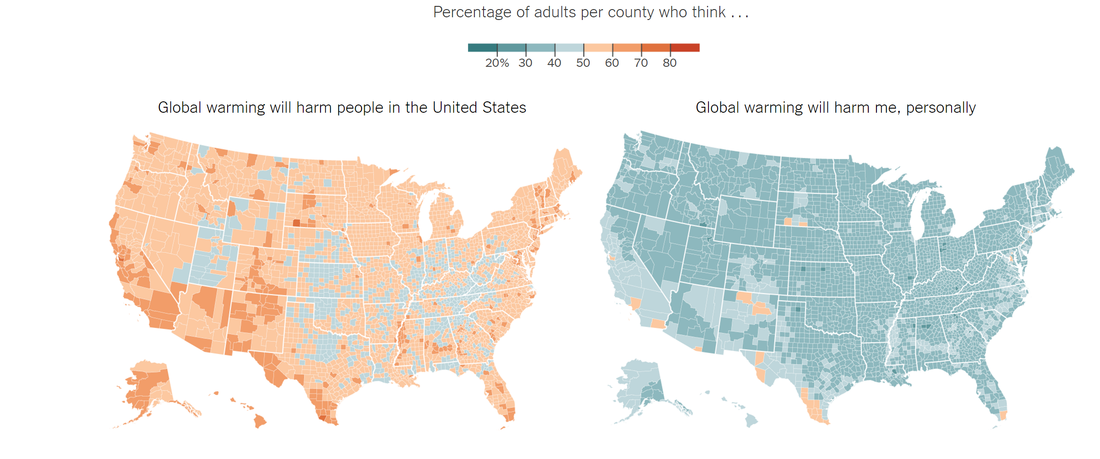
Articles on this site use big climate data to explain how past, present, and future climate changes have affected, are affecting, or will affect communities around the world. Every article explains: 1) how global climate trends influence local environments; 2) how we know; and 3) the consequences for local communities and people.
Narratives resonate with people, which is why we think that our articles can be more influential than visualizations. Nevertheless, this site also features a list of the tools our contributors use to write their articles. Any of our visitors can use these tools to figure out how climate change could matter to them.
The Editors:

Dr. Dagomar Degroot
Dr. Dagomar Degroot is the creator of Climate Hits Here. He is an associate professor of environmental history at Georgetown University. His first book, The Frigid Golden Age (Cambridge University Press) was named by the Financial Times as one of the ten best history books of 2018. His new book, Ripples on the Cosmic Ocean (Harvard University Press/Penguin) was a 2025 Scientific American book of the year. He publishes equally in historical and scientific journals; writes for the public in, for example, the Washington Post, Aeon, and National Geographic; and maintains popular online resources, including The Climate Chronicles, a multimedia guide to the history of climate change, and After 2C, a fictional history of global warming's future. He has shared the unique perspectives of the past with diverse audiences in many cities, from Wuhan to Washington, DC.
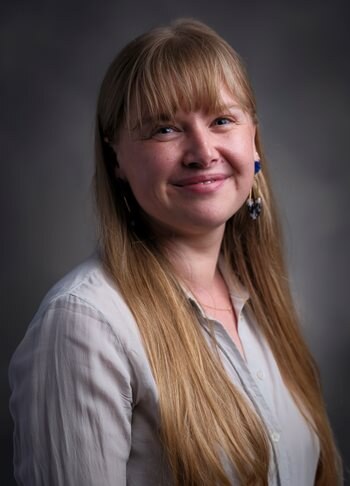
Dr. Emma Moesswilde
Dr. Moesswilde is an assistant professor of environmental history at Elon University. Her research investigates relationships between climate change, gender, and rural life, with a focus on the Northern Atlantic world before 1800. She has published in journals such as Nature and Early Modern Women: An Interdisciplinary Journal, and on websites such as Environmental History Now and Active History. At Elon, she teaches courses on the history of food, climate change, agriculture, and global and local environments.